

Results
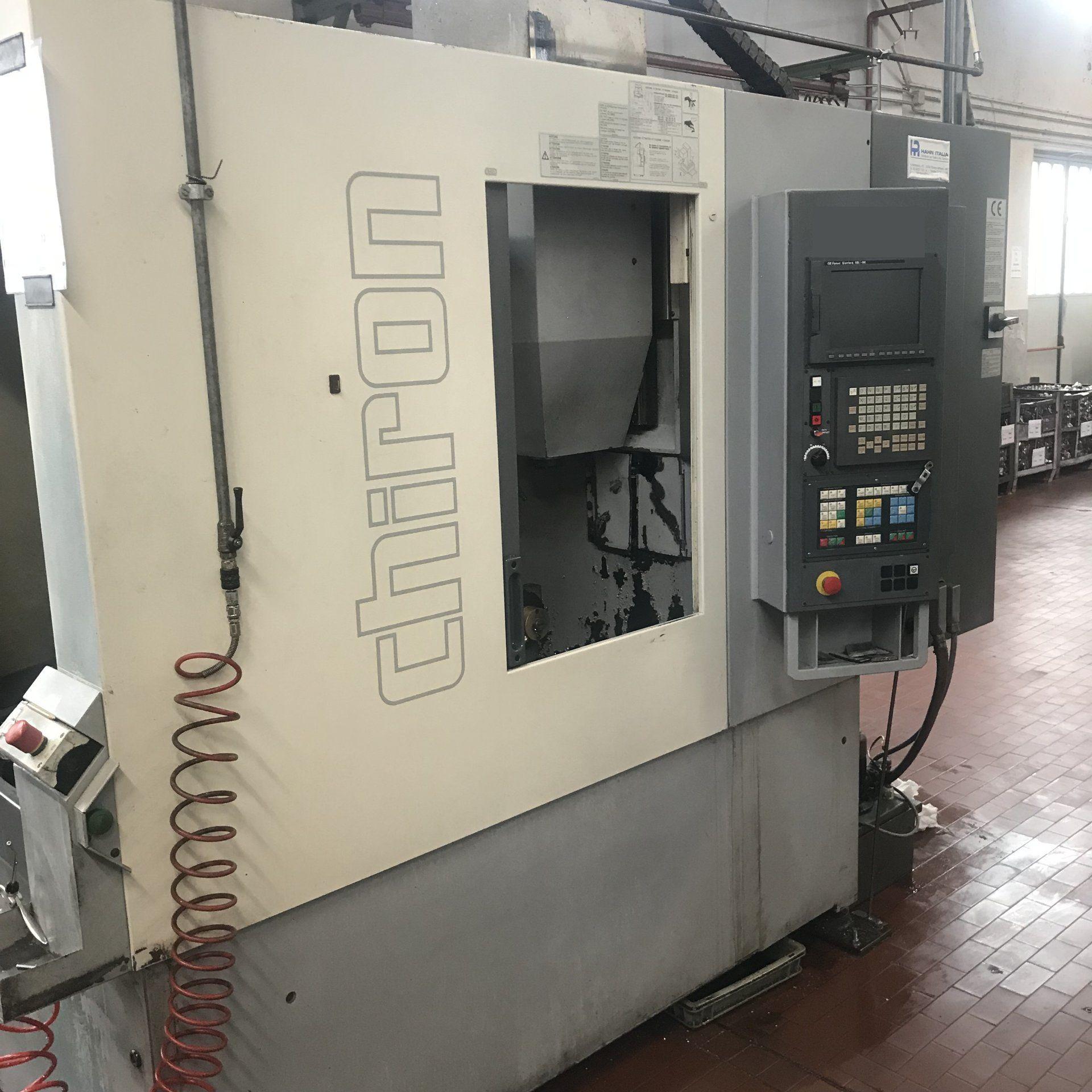
Chiron FZ 08 K W
Centro di lavoro verticale Chiron FZ 08 K W
Code: 30B3CB
2004 · Fanuc
Price on request
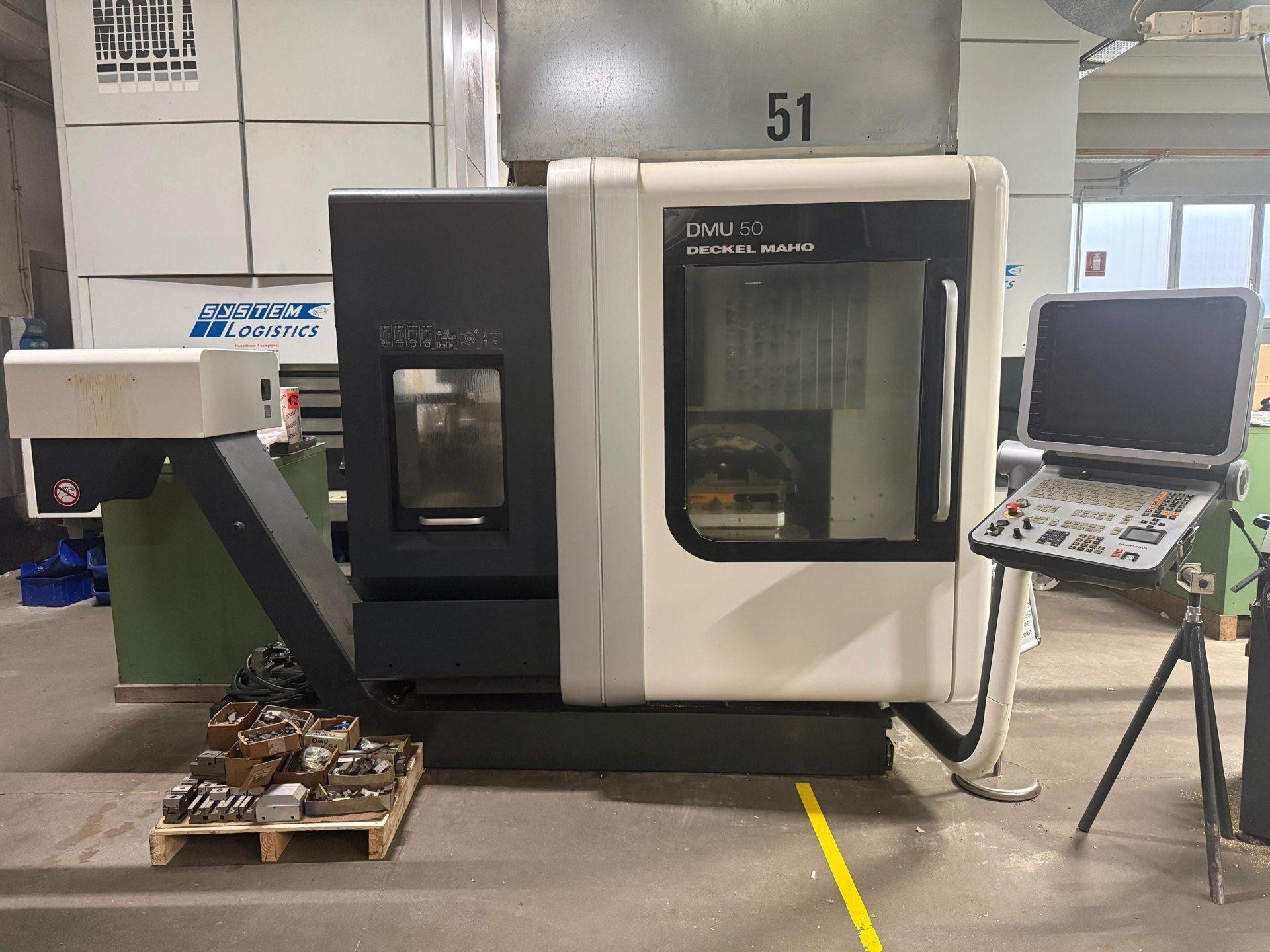
DMG DMU 50
Centro di lavoro verticale 5 assi DMG DMU 50
Code: 8E6990
2008 · Heidenhain · 4668h
Price on request
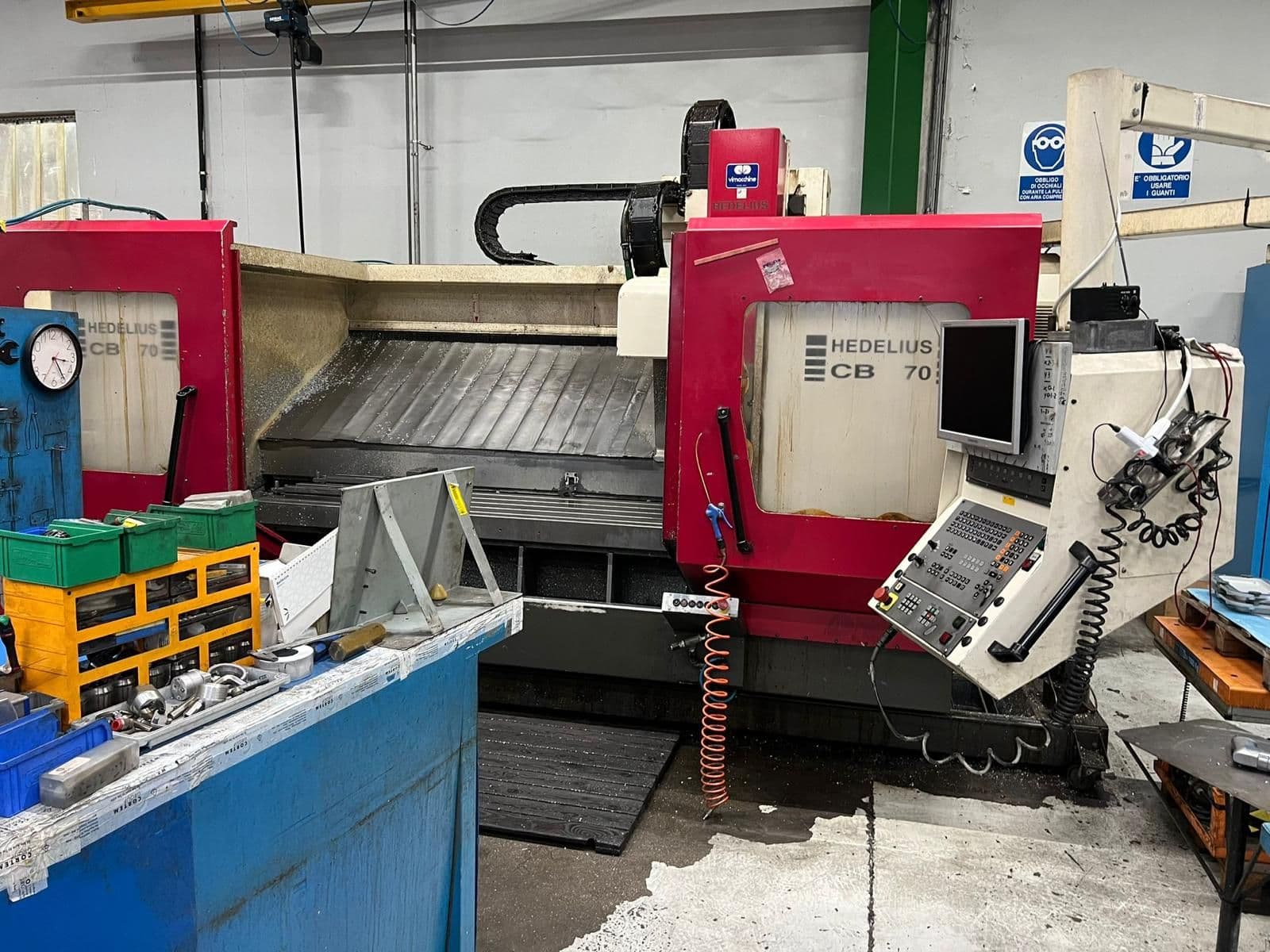
Hedelius CB 70-2100
Centro di lavoro verticale a montante mobile Hedelius CB 70-2100
Code: D2A8E2
2001 · Heidenhain
Price on request
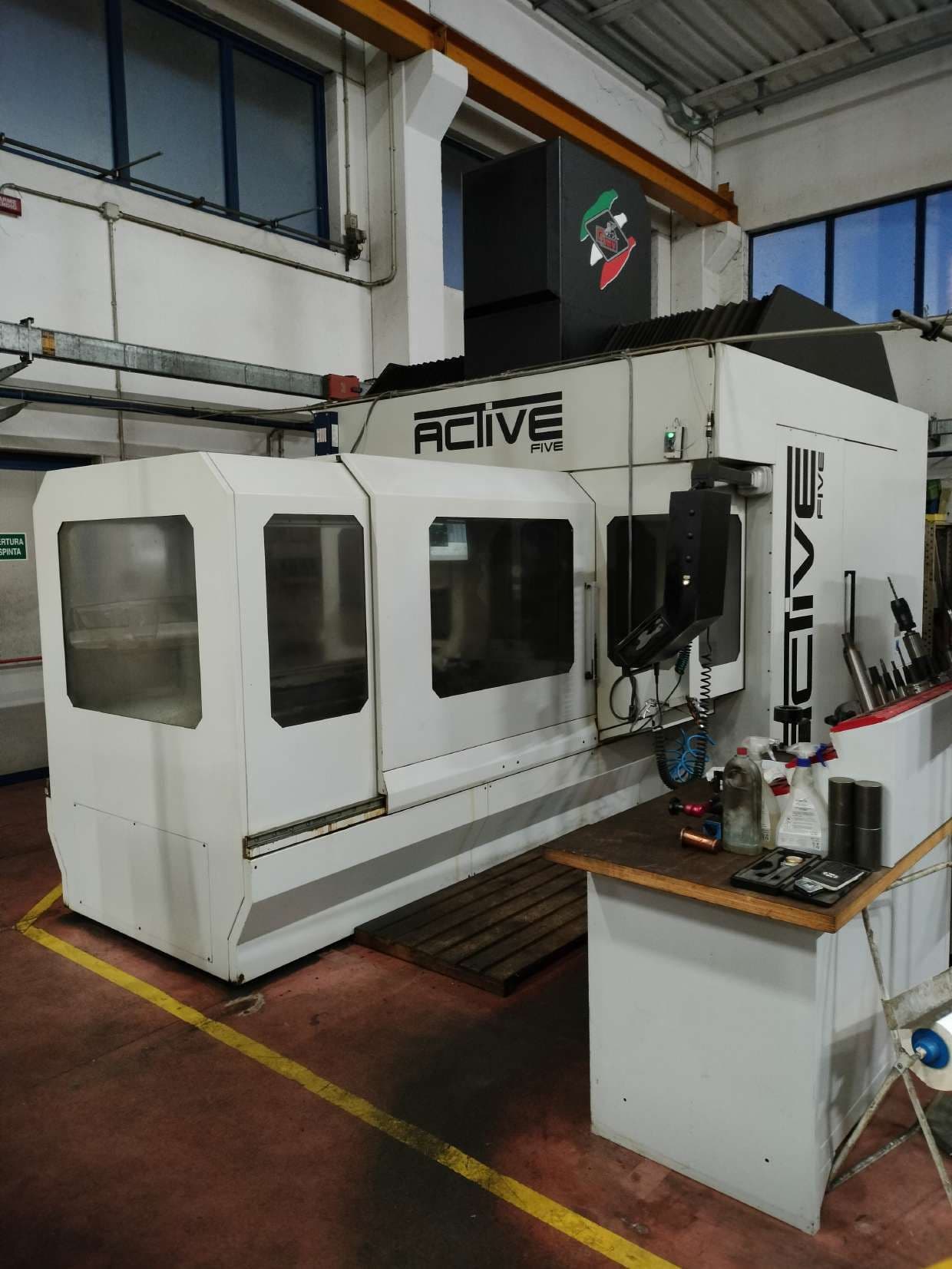
OMV ACTIVE FIVE
Fresatrice a portale 5 assi OMV Parpas ACTIVE FIVE
Code: BAA81E
2011 · Heidenhain
Price on request
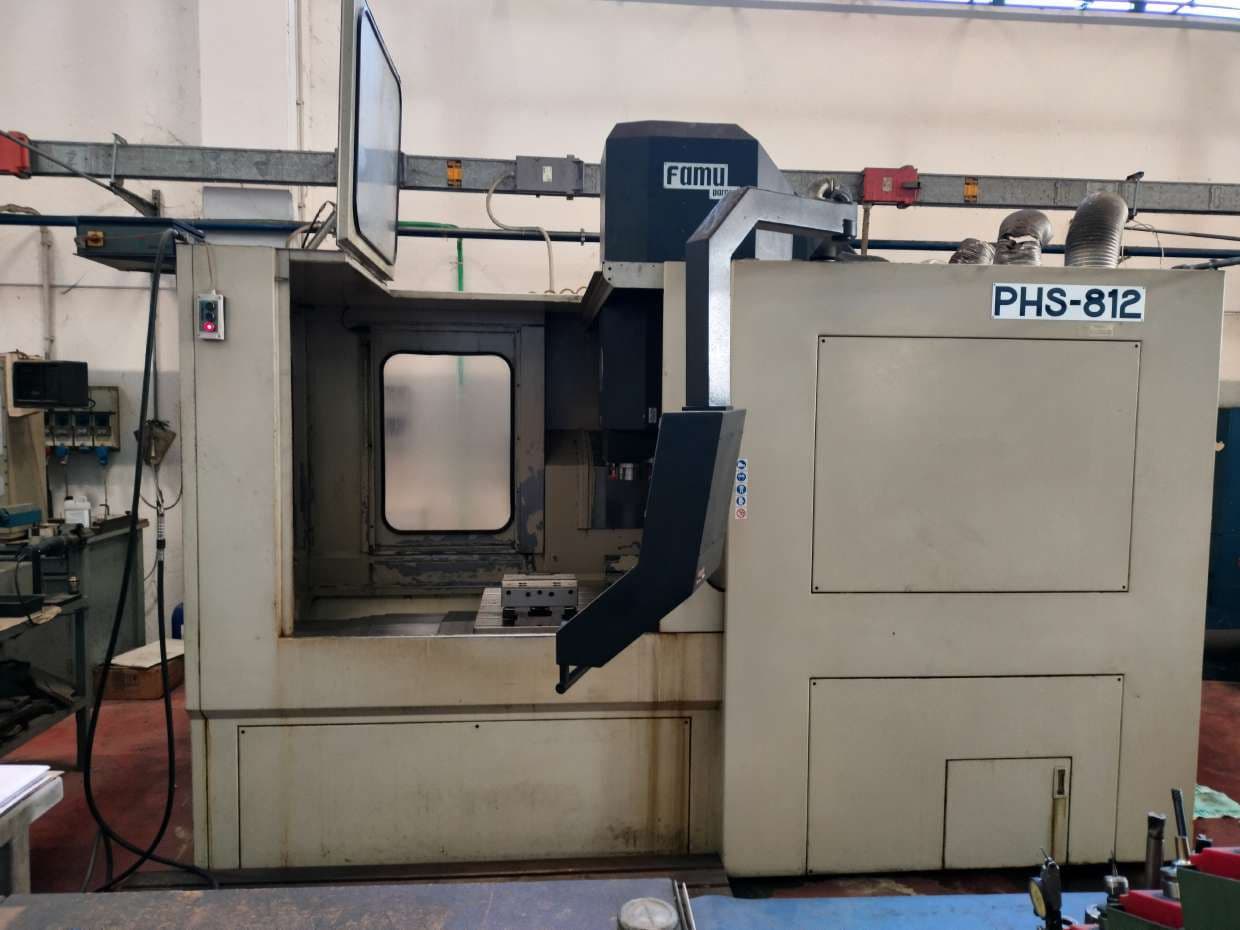
Famu PHS-812
Fresatrice a portale FAMU PHS-812
Code: FBB0CD
1999 · Heidenhain
Price on request
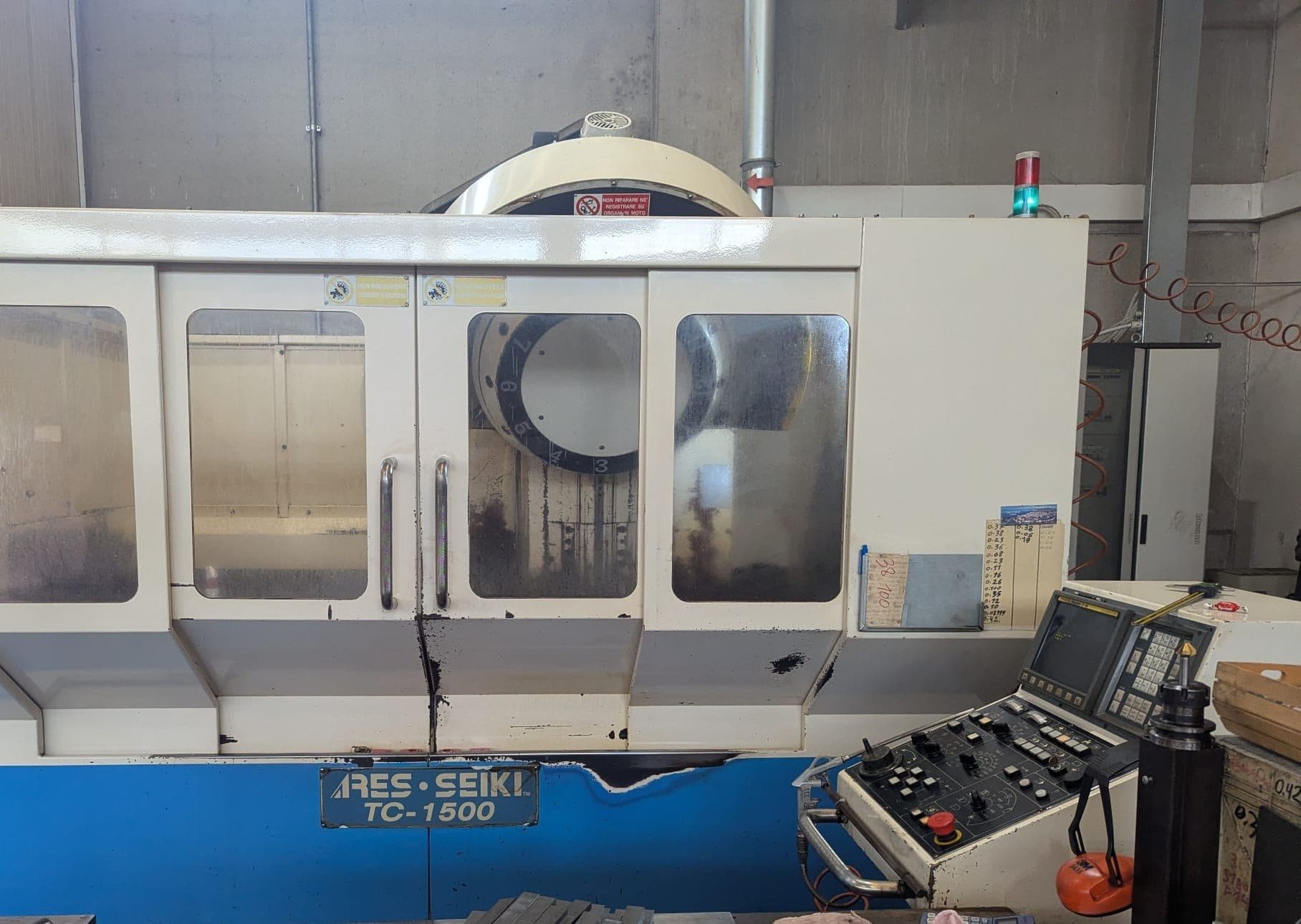
Ares Seiki TC-1500
Centro di lavoro verticale a montante mobile Ares Seiki TC-1500
Code: CAC382
2000 · Fanuc
Price on request
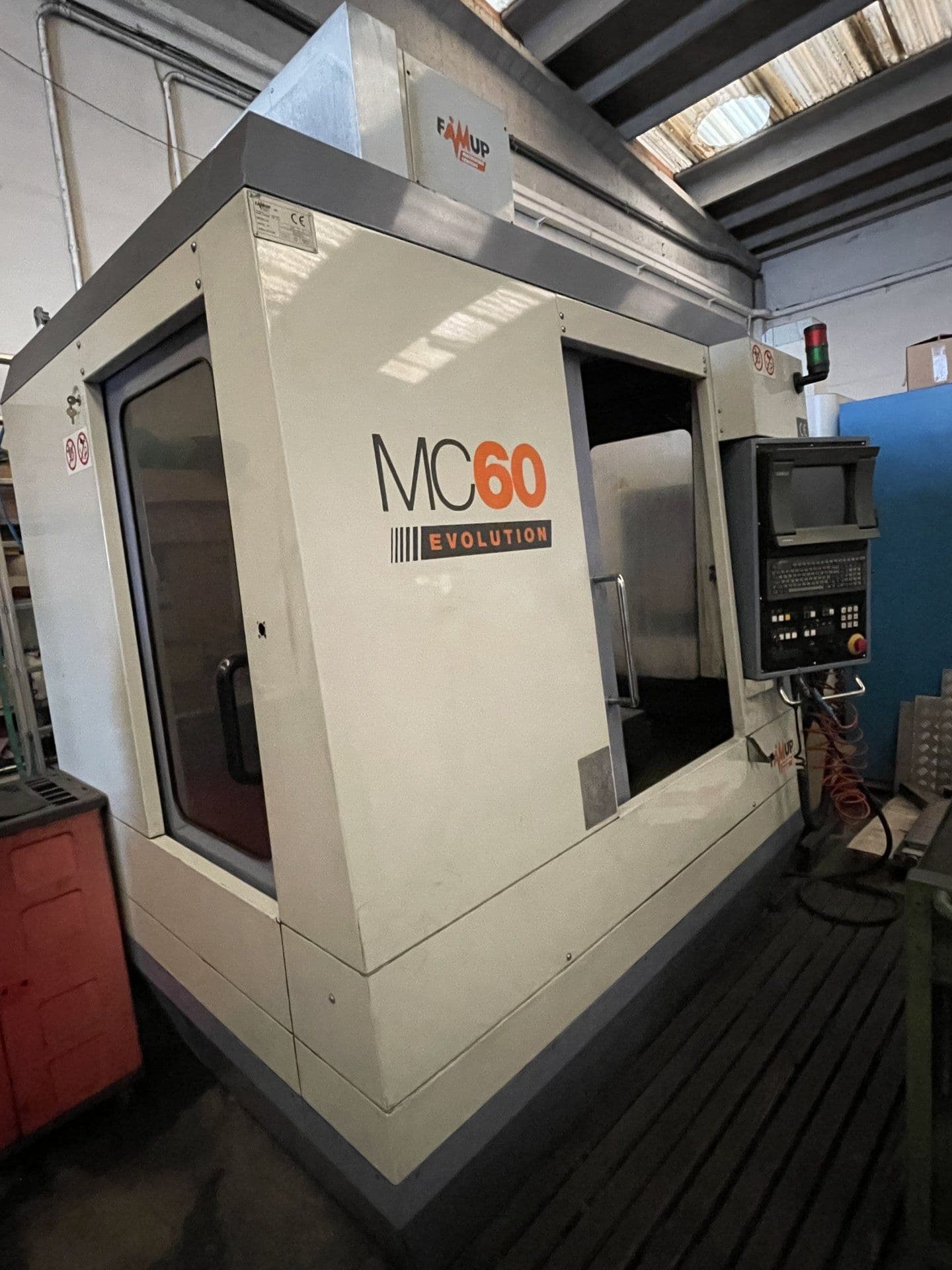
Famup MC60 Evolution
Centro di lavoro verticale Famup MC60 Evolution
Code: 95B658
2004 · Selca
Price on request
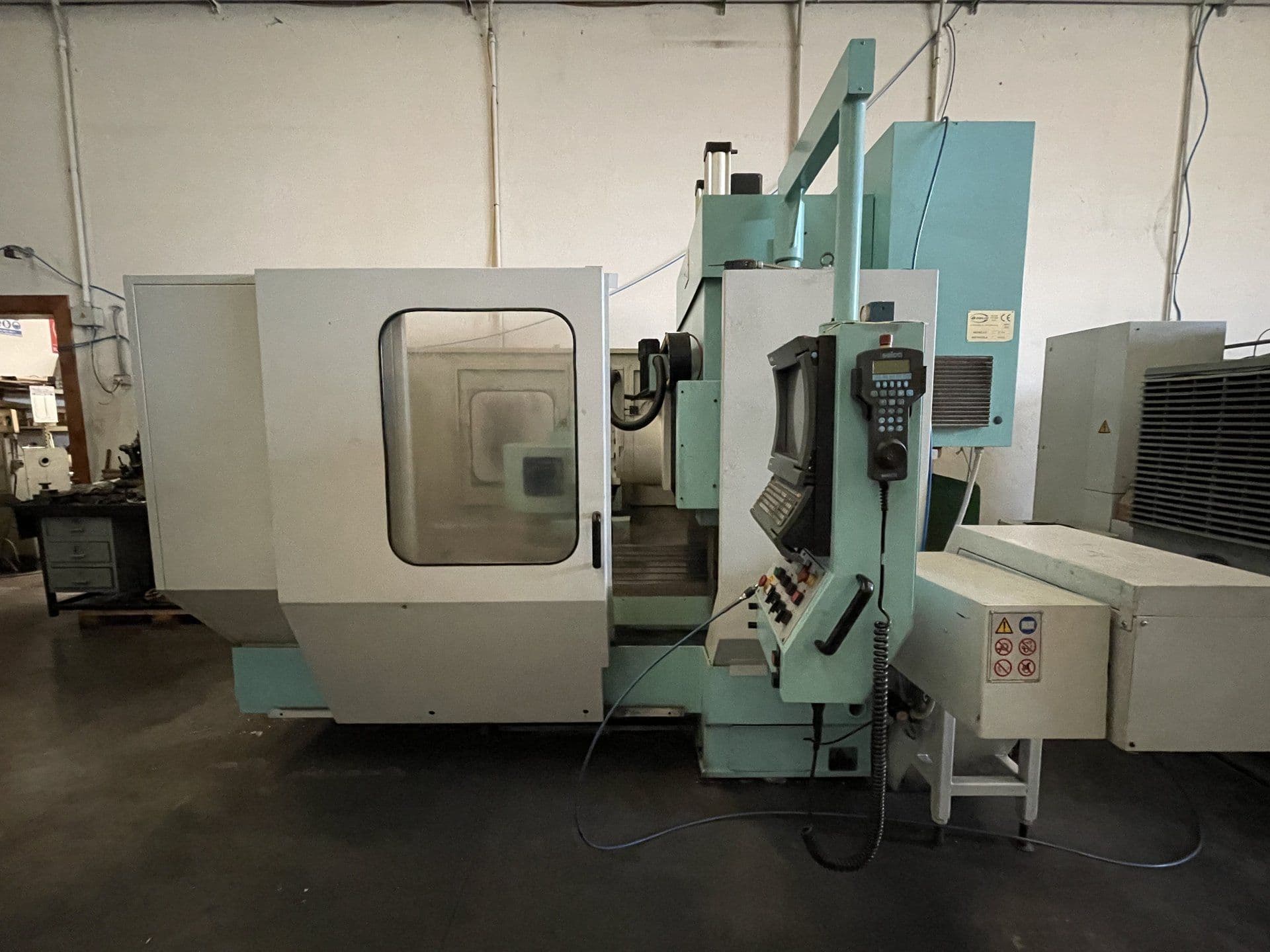
Goglio PX 8.10
Fresatrice CNC Goglio PX 8.10
Code: 3E3DE8
2002 · Selca
Price on request
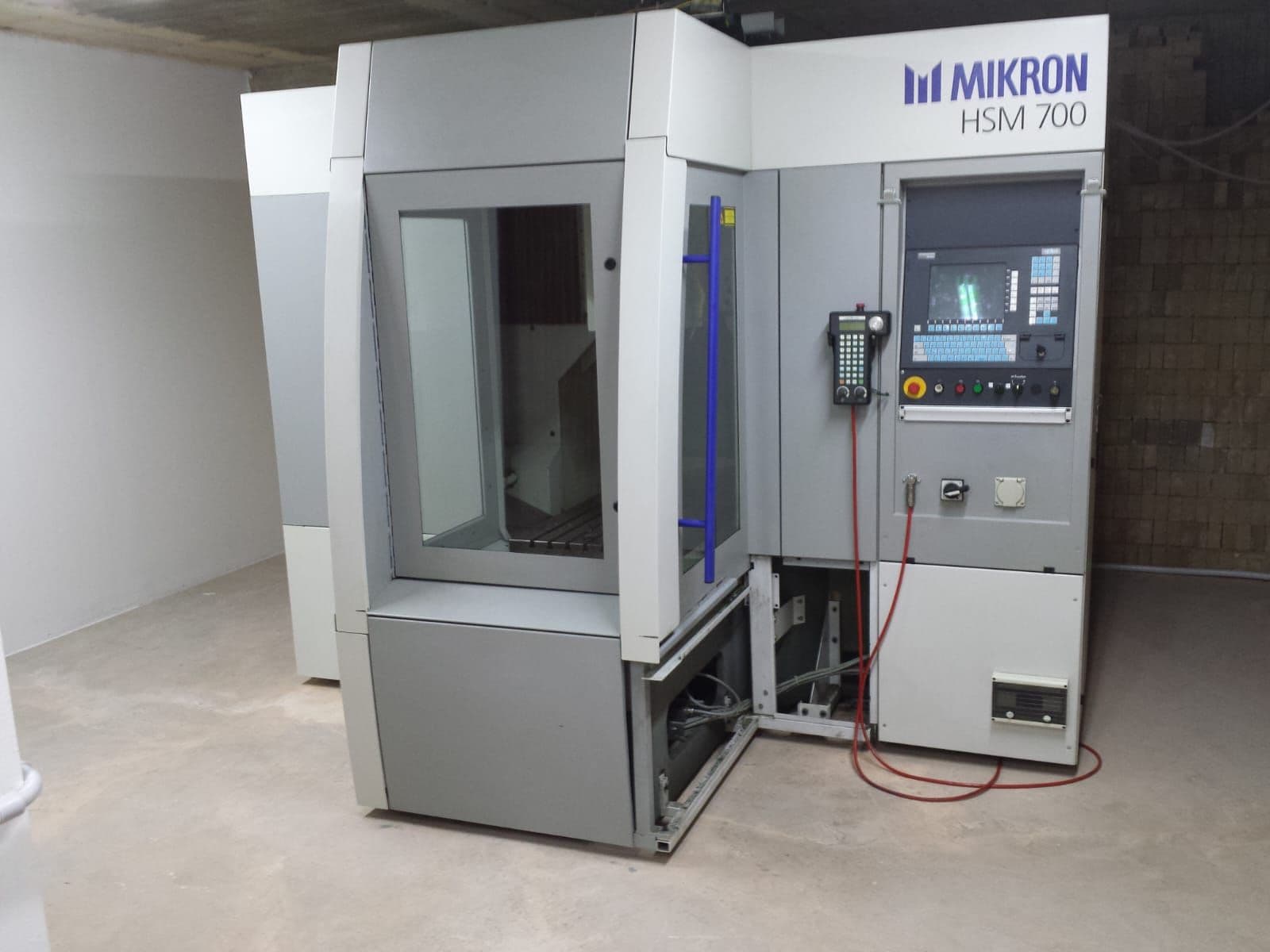
Mikron HSM 700
Centro di lavoro verticale Mikron HSM 700
Code: 39F2B5
1999 · Heidenhain
Price on request
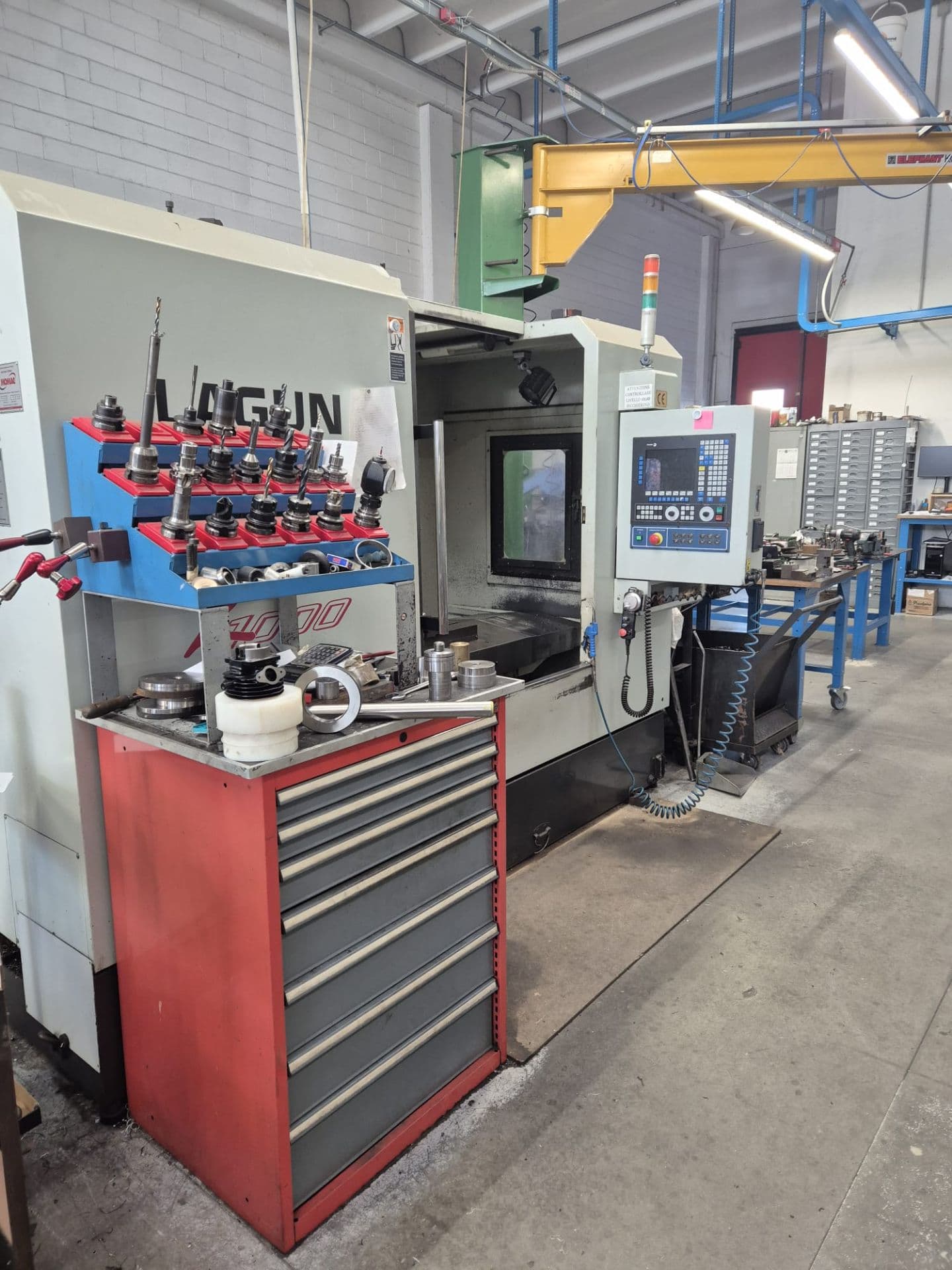
Lagun L1000
Centro di lavoro verticale Lagun L1000
Code: C4964F
2007 · Fagor
Price on request
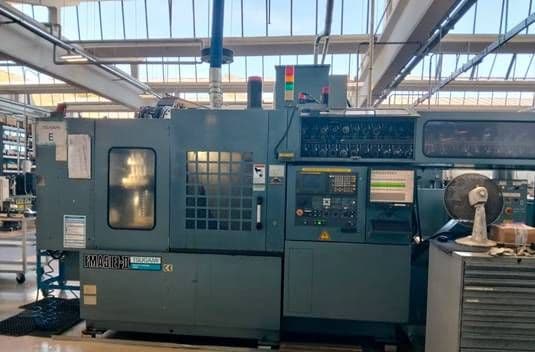
Tsugami FMA5-II
Centro di lavoro orizzontale Tsugami FMA5-II
Code: 5B53FD
2003 · Fanuc
Price on request
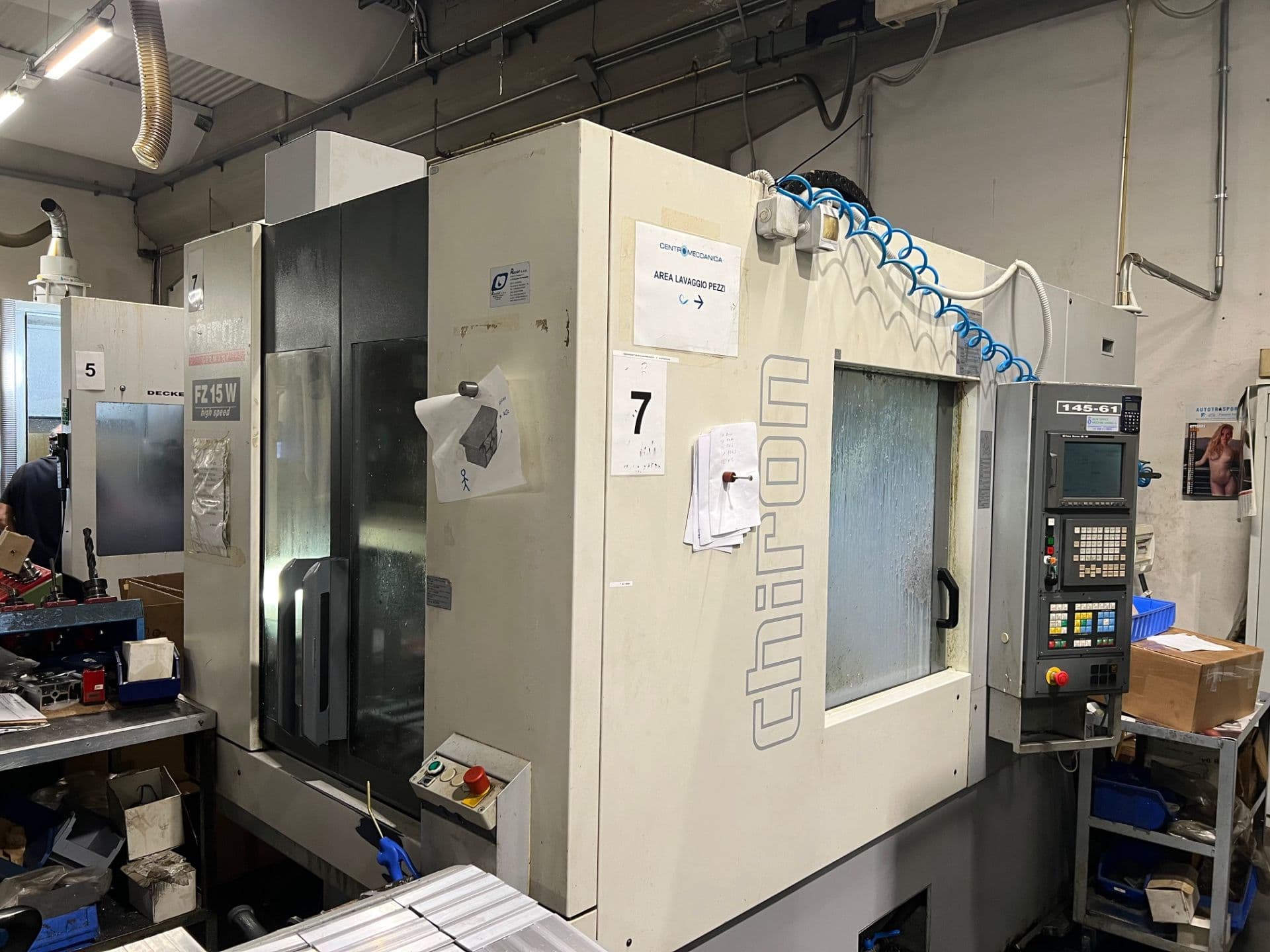
Chiron FZ 15 W
Centro di lavoro CNC doppio pallet Chiron FZ 15W
Code: 137580
2001 · Fanuc
Price on request
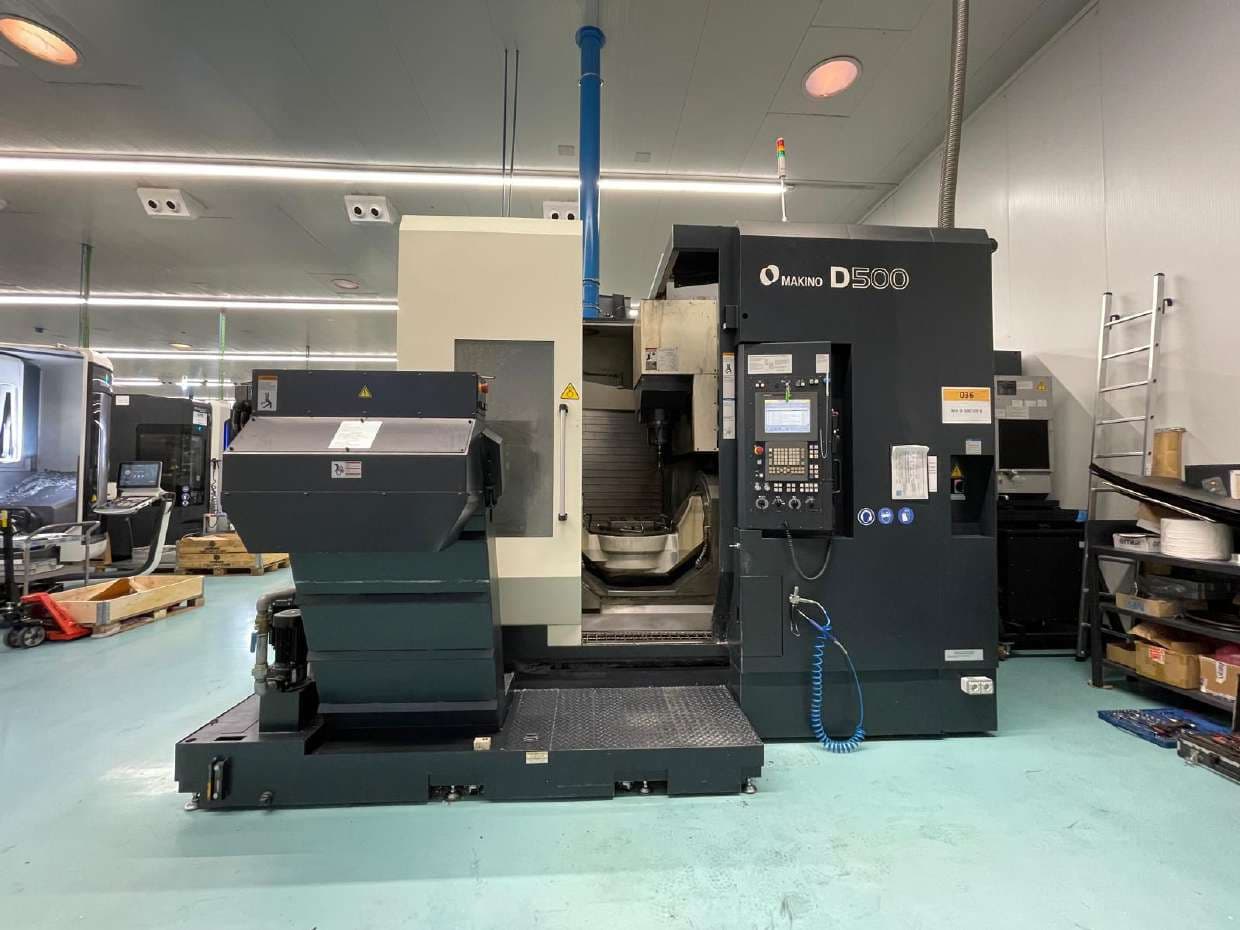
Makino D500
Centro di lavoro verticale 5 assi Makino D500
Code: B7A1BB
2016 · Makino · 30.592h
Price on request
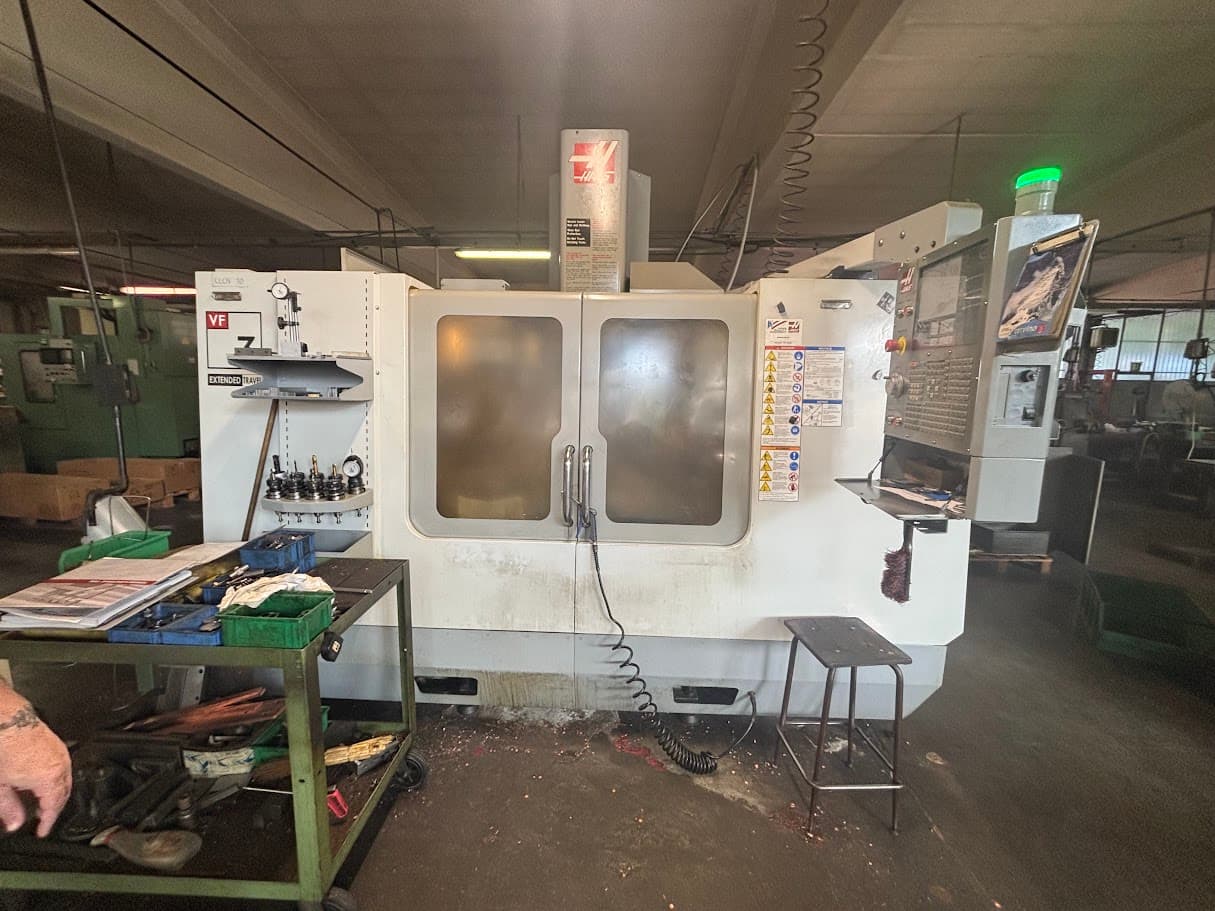
Haas VF-3
Centro di lavoro verticale Haas VF-3
Code: FF83A8
2007 · Haas
Price on request
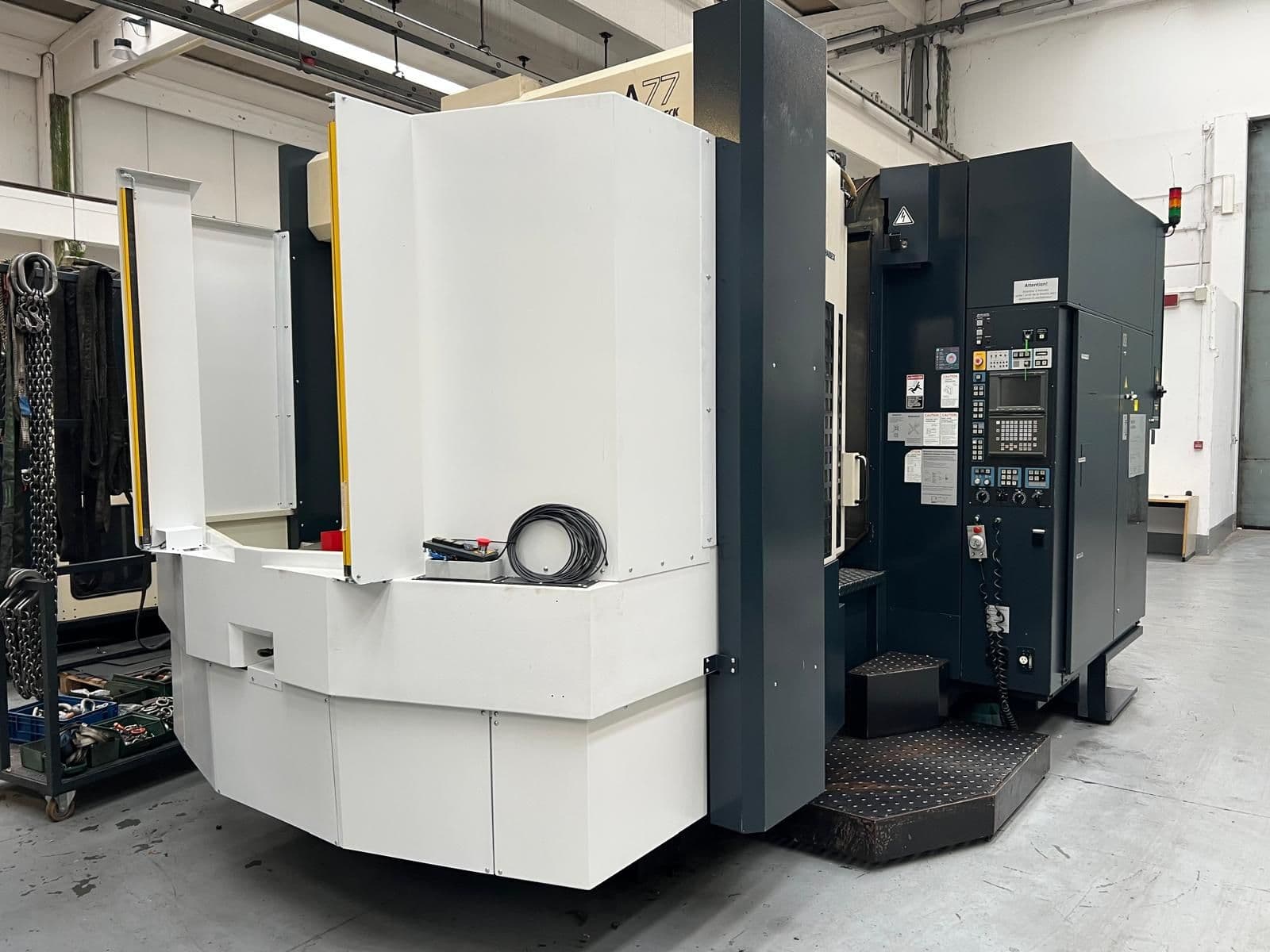
Makino A77
Centro di lavoro orizzontale Makino A77
Code: 035B72
2001 · Makino · 39.195h
Price on request
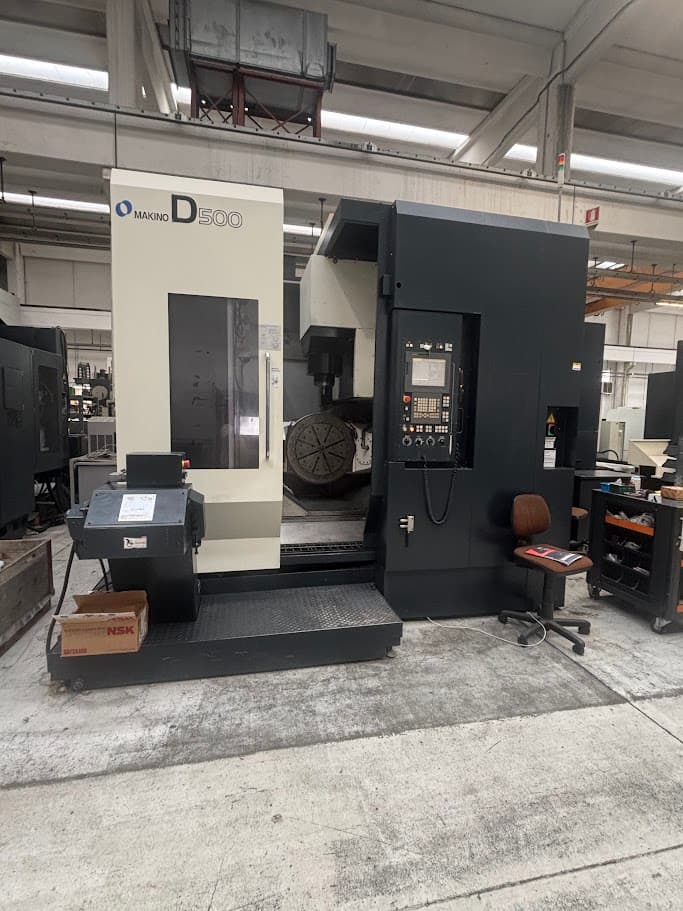
Makino D500
Centro di lavoro verticale 5 assi Makino D500
Code: DE2AE1
2011 · Makino
Price on request
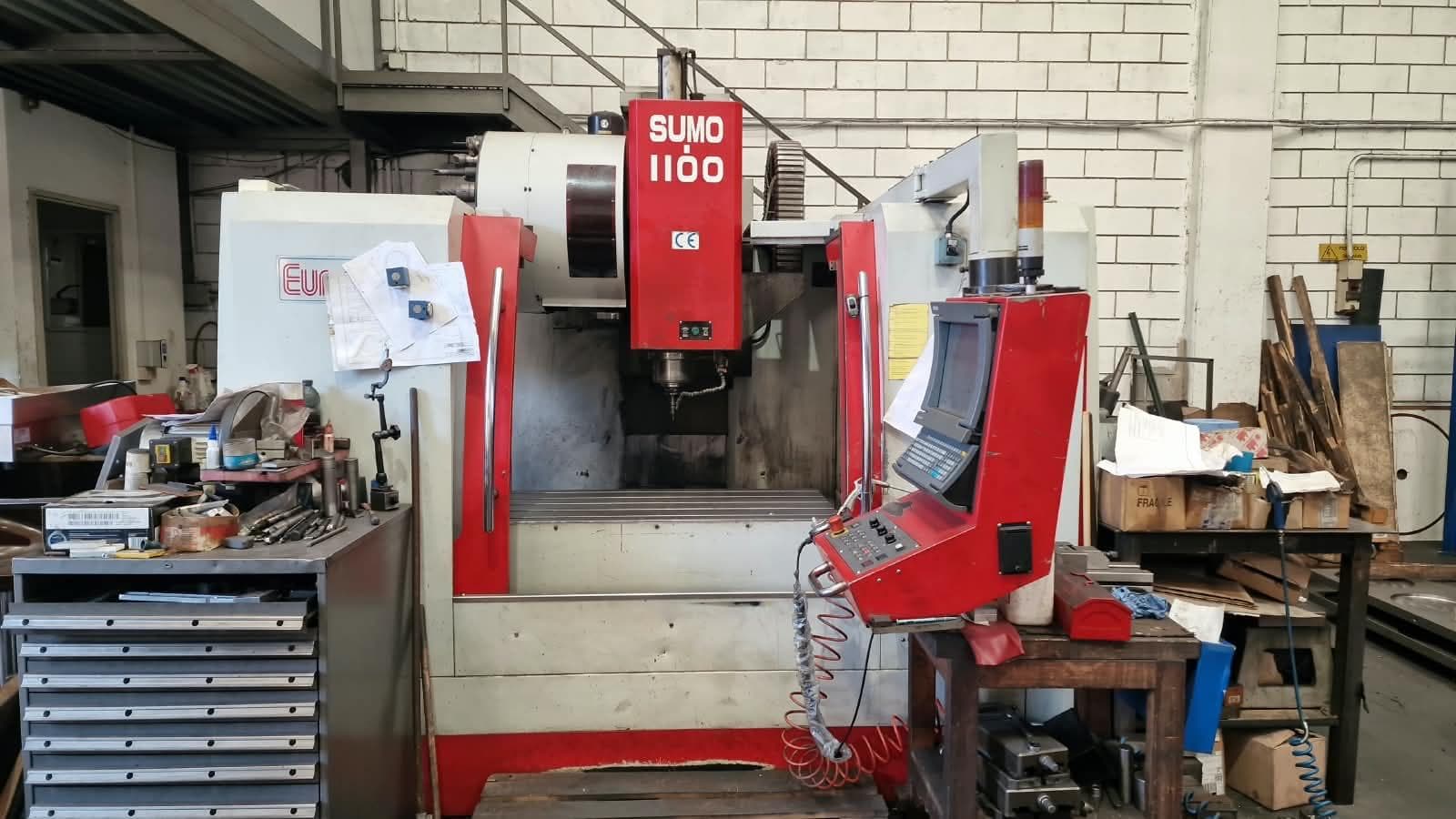
Eumach SUMO 1100
Centro di lavoro verticale Eumach SUMO 1100
Code: EF49DB
2007 · Selca
Price on request
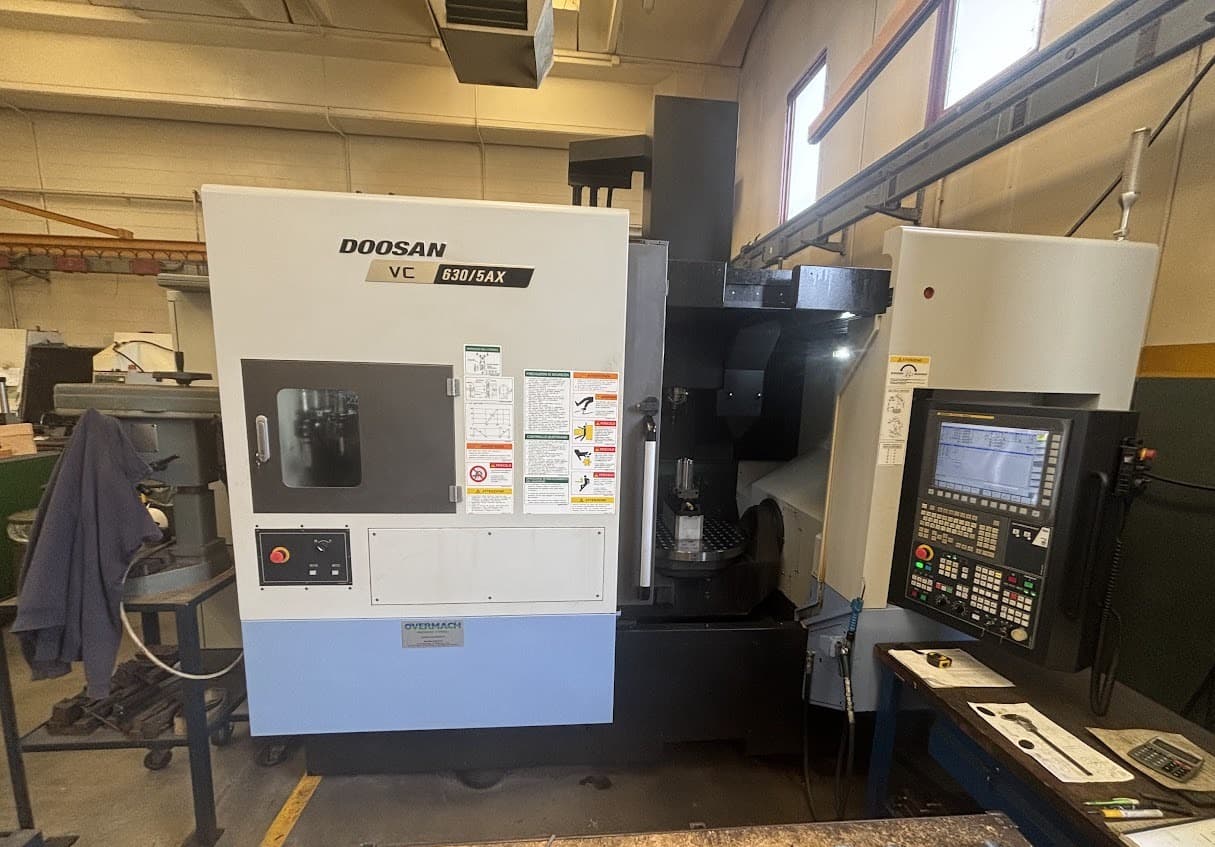
Doosan VC 630/5AX
Centro di lavoro verticale 5 assi Doosan VC 630/5AX
Code: 9E60E7
2016 · Fanuc
Price on request
Huron EX 30
Centro di lavoro a 5 assi a montante mobile Huron EX 30
Code: 24FE01
2000 · Siemens
Price on request
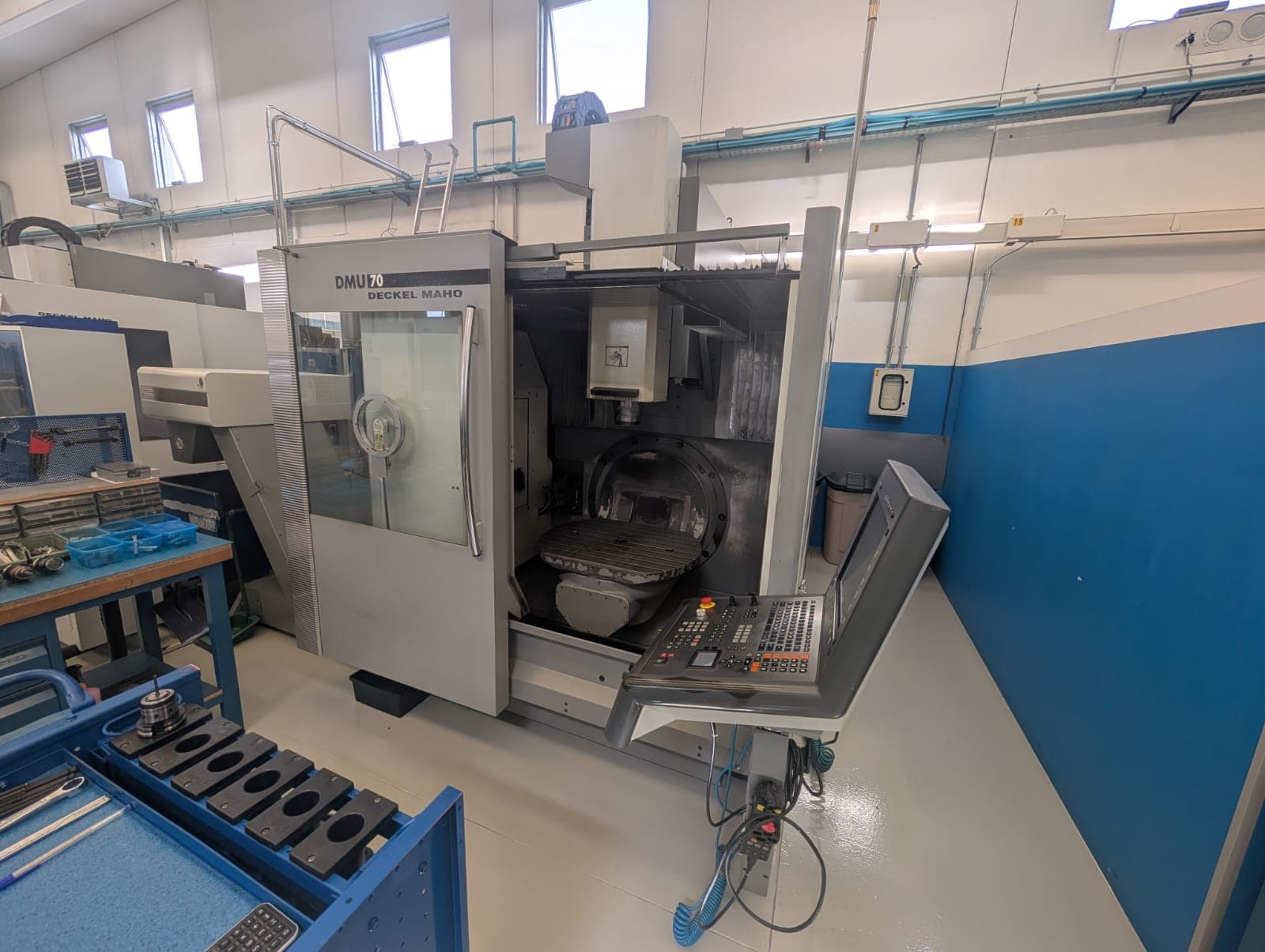
DMG DMU 70
Centro di lavoro verticale 5 assi DECKEL MAHO DMU 70
Code: 5039E0
2007 · Heidenhain · 20.070h
Price on request
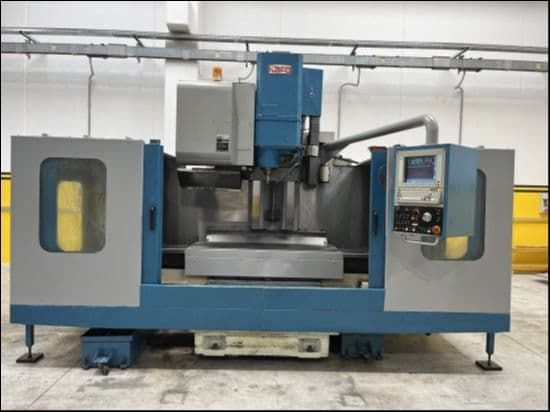
Kafo VMC-1400
Centro di lavoro verticale Kafo VMC-1400
Code: 5ECC52
2001 · Selca
Price on request
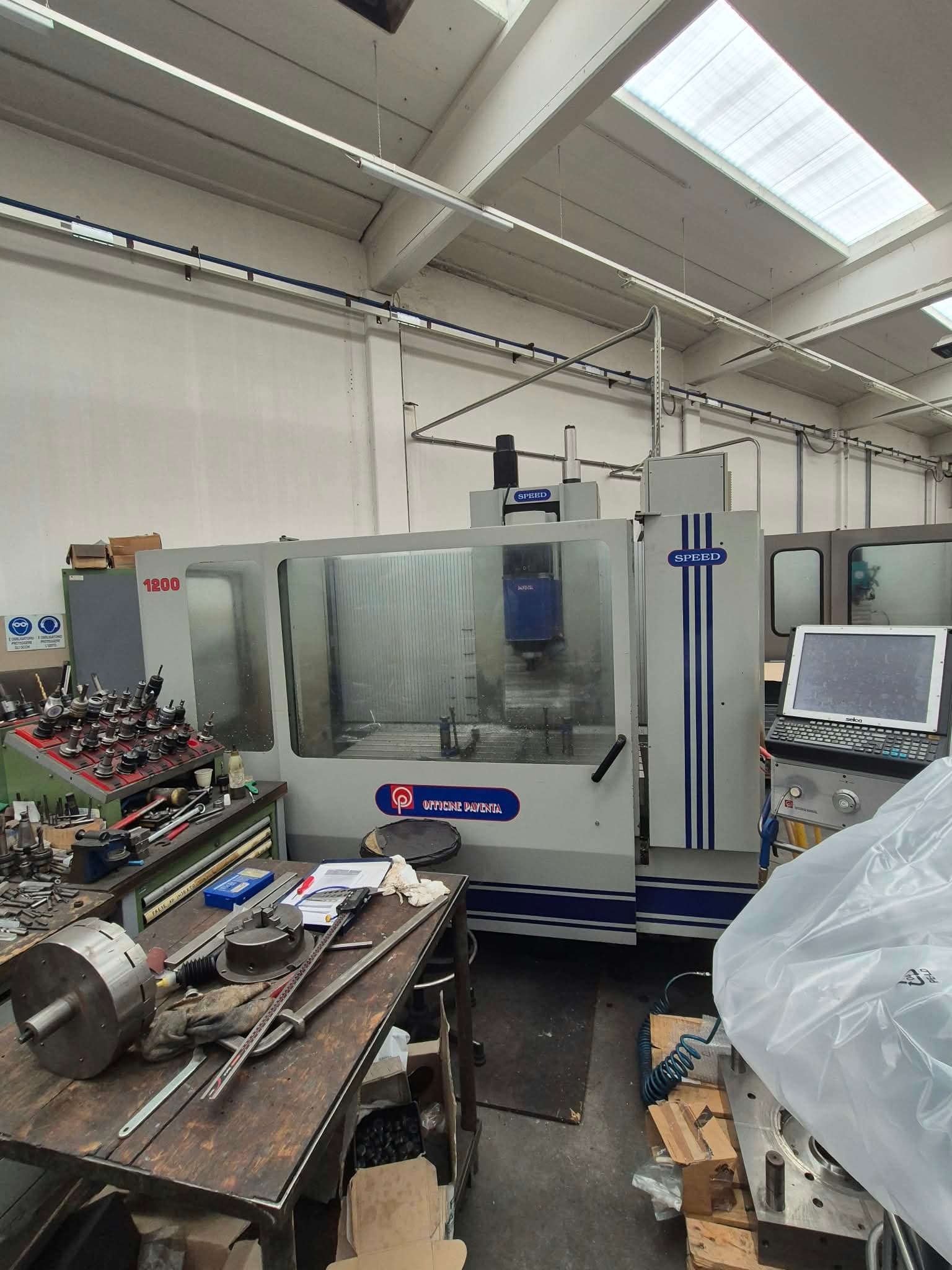
Paventa SPEED 1200
Centro di lavoro a montante mobile Paventa SPEED 1200
Code: 94D620
2000 · Selca
Price on request
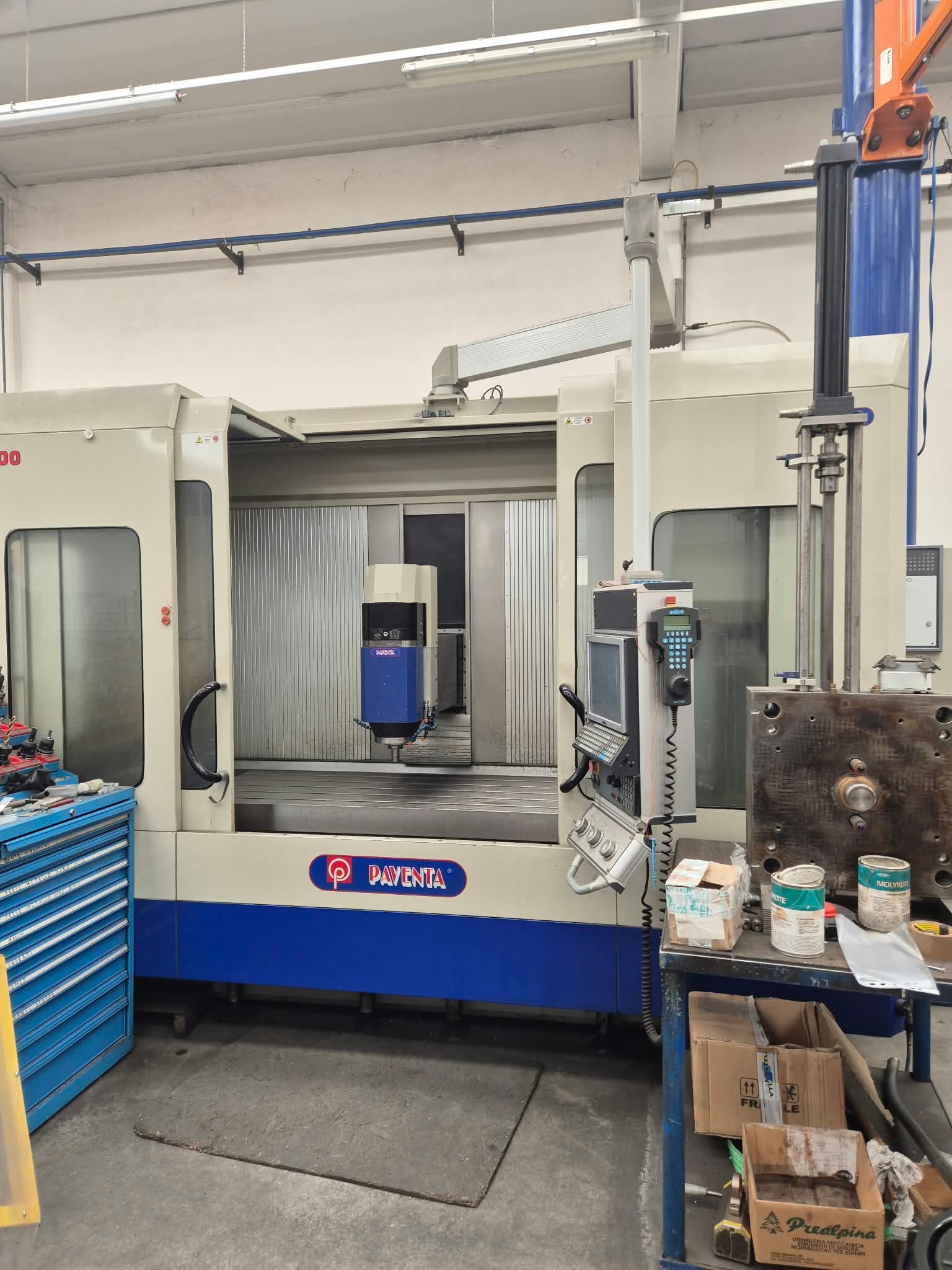
Paventa SPEED 1700
Centro di lavoro a montante mobile Paventa SPEED 1700
Code: 9FC909
2005 · Selca
Price on request
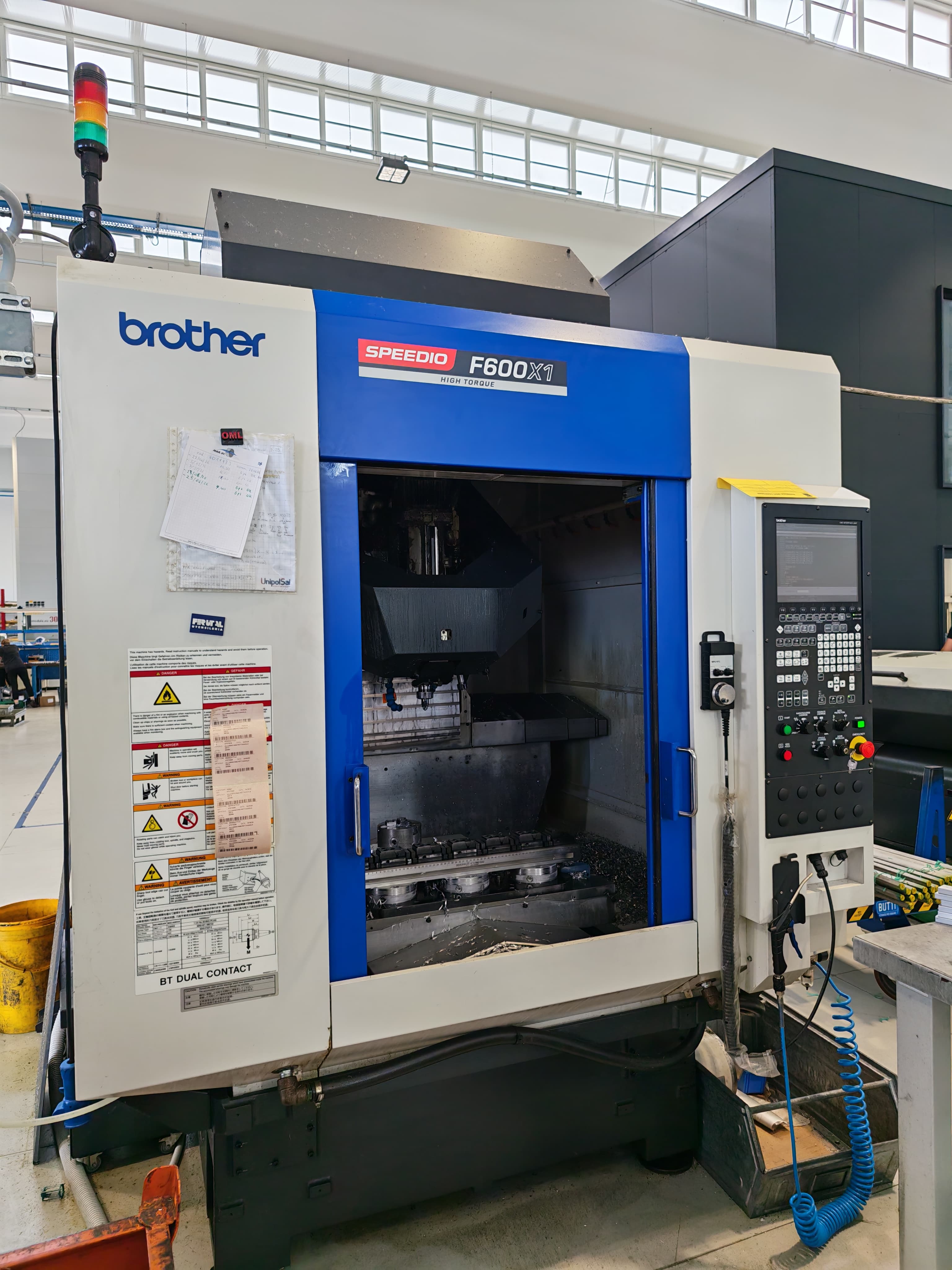
Brother Speedio F600X1
Centro di lavoro verticale Brother Speedio F600X1
Code: D923E7
2019 · Brother · 3500h
Price on request